



What Is Agentic Browsing? A Simple Guide for Website Owners
September 21, 2026 | 11 min read
TL;DR: Agentic browsing is when AI agents use a web browser to understand websites, navigate pages, interact with elements, and complete tasks for users....
September 21, 2026 | 11 min read
TL;DR: Agentic browsing is when AI agents use a web browser to understand websites, navigate pages, interact with elements, and complete tasks for users....
September 18, 2026 | 8 min read
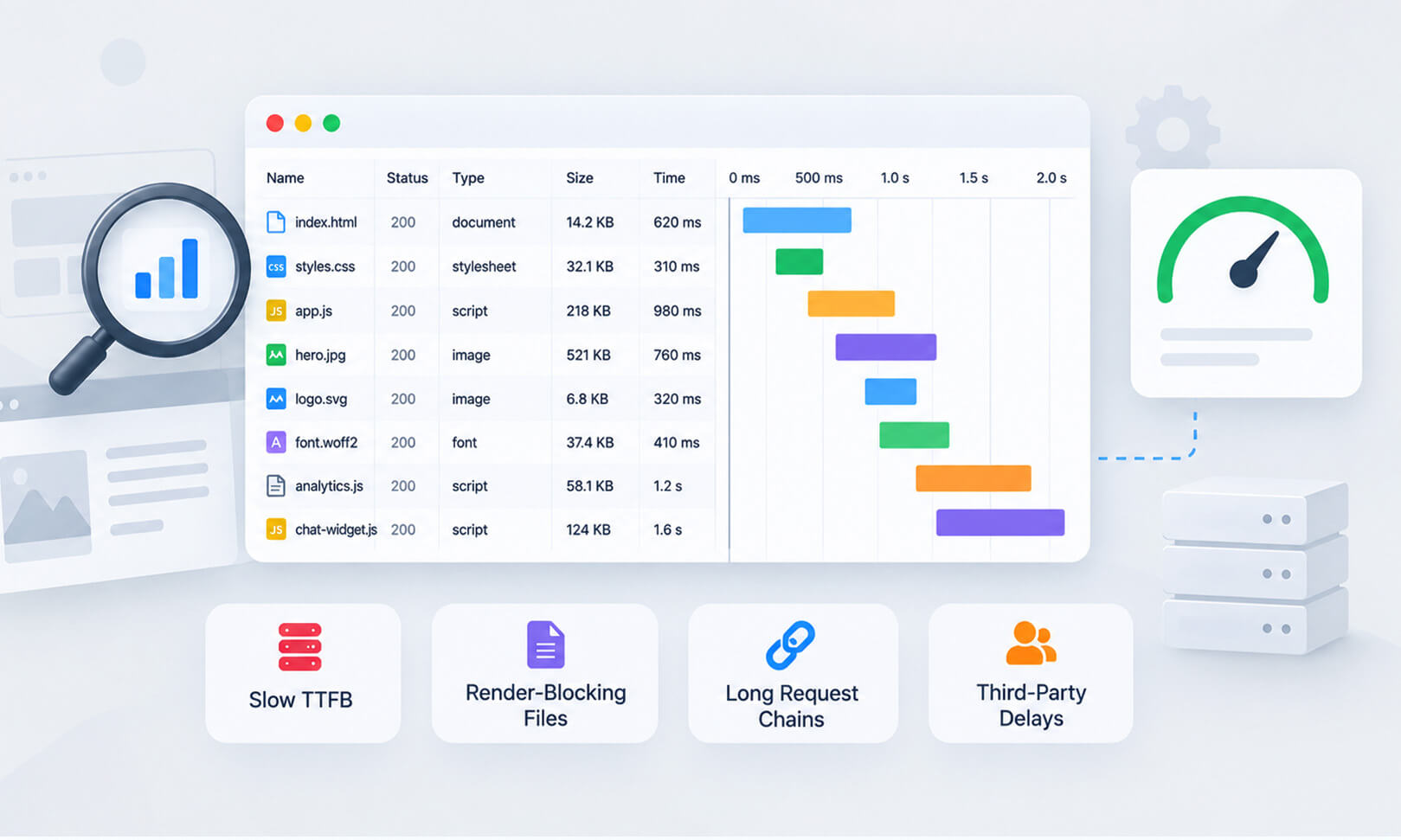
TL;DR: A waterfall chart lists every file a page loads, in order, with a timing bar for each one. It reveals where page load...
September 15, 2026 | 8 min read
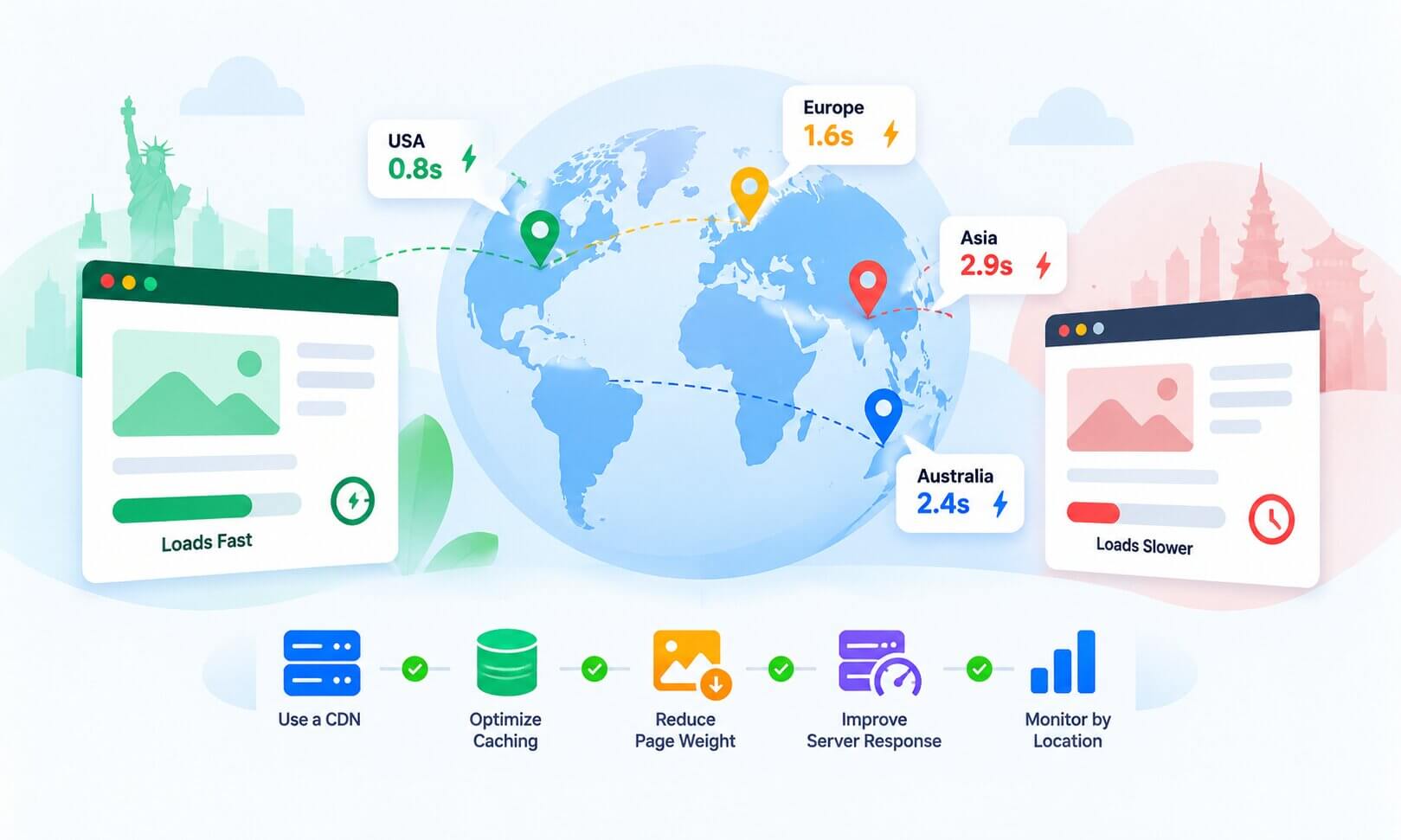
TL;DR: Website speed by country varies mainly because users are different distances from your server, networks route traffic differently, and cached content may not...
September 11, 2026 | 12 min read
TL;DR: To analyze Core Web Vitals by device and country, start with Google Search Console to compare mobile and desktop performance, then use CrUX...
September 4, 2026 | 10 min read
TL;DR: Website Speedy and WP Rocket can both help improve Core Web Vitals, but they work differently. WP Rocket is a WordPress-specific performance plugin...
August 31, 2026 | 10 min read
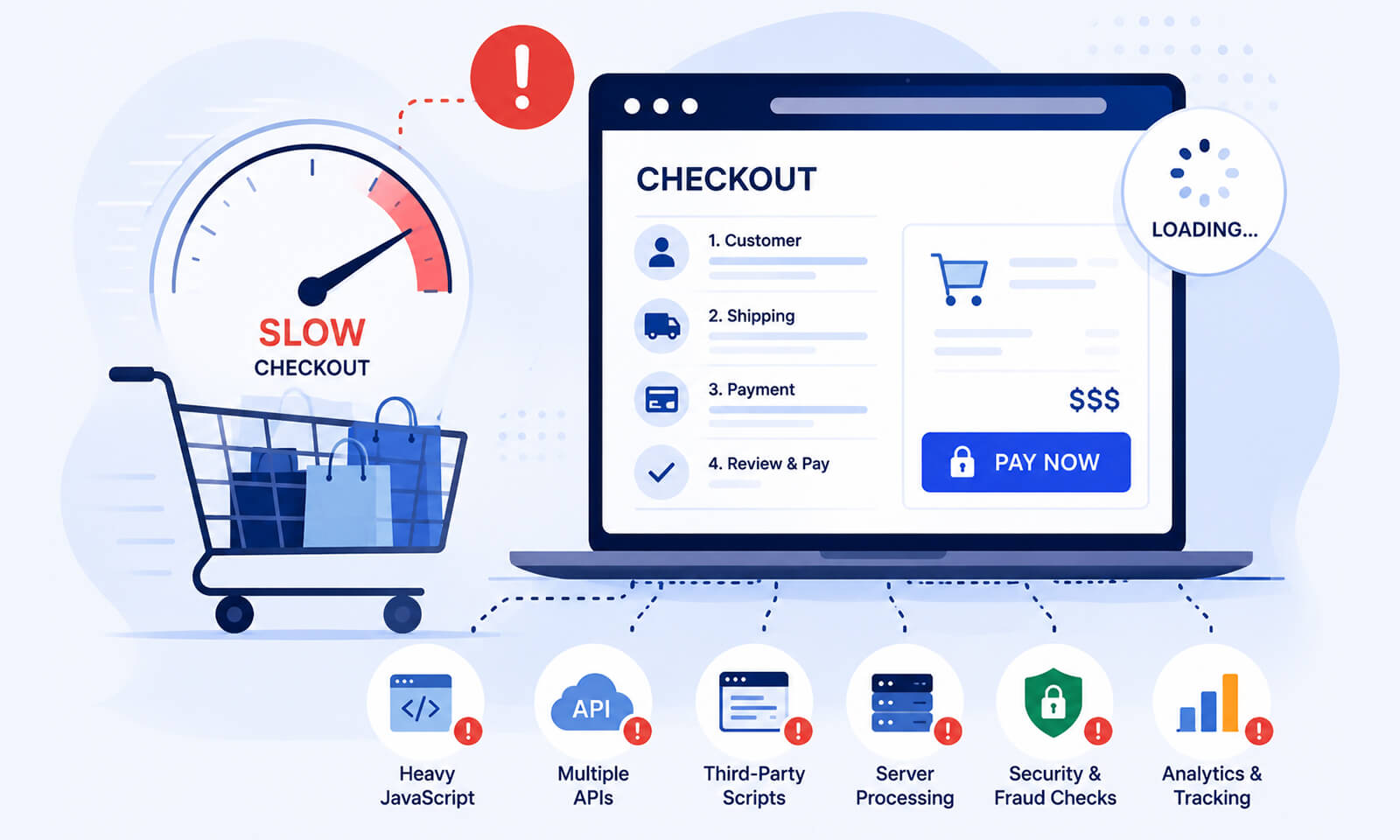
TL;DR: Your checkout page is often slower because it handles more dynamic functionality than other pages. Payment gateways, fraud detection, analytics, shipping APIs, personalization,...
August 28, 2026 | 9 min read
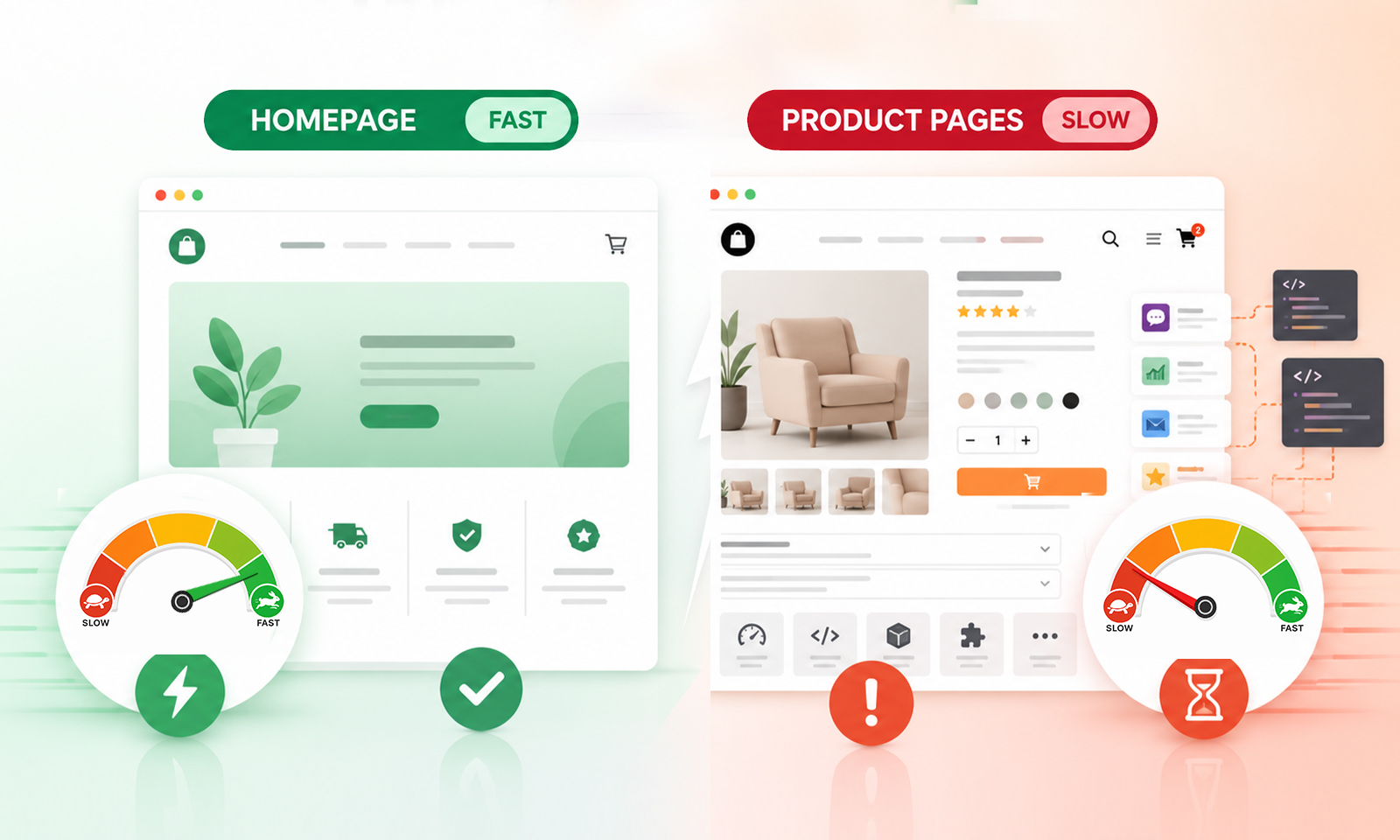
TL;DR: Your homepage can be fast while product pages are slow because product pages usually load more images, reviews, variants, apps, tracking scripts, and...
August 24, 2026 | 7 min read
TL;DR: The Lighthouse Agentic Browsing audit tests whether AI agents can read and operate your site, using six audits covering WebMCP integration, agent-centric accessibility,...
August 21, 2026 | 6 min read
TL;DR: Lighthouse’s Agentic Browsing category includes three WebMCP audits: registered tools, forms missing declarative WebMCP, and schema validity. The first two are informational, while...
August 19, 2026 | 12 min read
TL;DR: The Chrome UX Report (CrUX) provides real-world performance data from actual Chrome users. You can use it to identify Core Web Vitals problems,...
August 17, 2026 | 11 min read
TL;DR: Lab data and field data serve different purposes. Lab data helps identify and debug performance issues in a controlled environment, while field data...
August 13, 2026 | 10 min read
TL;DR: A large DOM size forces browsers to process more HTML elements, increasing rendering time, memory usage, and JavaScript execution. By simplifying your website...
Choose your website platform