






TL;DR: Yes, speed optimization tools can genuinely improve both website speed and SEO, but results depend on what the tool actually does under the hood. Tools that address Core Web Vitals, reduce render-blocking resources, and improve real user experience metrics (not just lab scores) tend to make a measurable difference. The key is knowing what to look for.
If you’ve landed here, you’re probably wondering whether speed optimization tools actually improve website speed and SEO, or whether they’re just another overhyped solution with little real-world impact. It’s a fair question, especially when every tool out there promises dramatic results with minimal effort.
The honest answer is: it depends. Not all tools work the same way, and the difference between one that genuinely moves the needle and one that just makes your lab scores look good is significant. Before you invest time or money into any speed tool, it’s worth understanding what these tools actually do, where they deliver real value, and where they fall short. That’s exactly what this blog breaks down, with data, not marketing claims.
Why Website Speed Matters for Both SEO and Conversions
Before asking whether any tool works, it helps to understand why website speed and SEO are so tightly connected today.
Google made it official: page experience signals, including Core Web Vitals, are a confirmed ranking factor. According to Google’s Search Central documentation, the company highly recommends site owners achieve good Core Web Vitals scores “for success with Search.” This isn’t a soft suggestion, it’s baked into how Google evaluates and ranks pages.
The three performance metrics that matter are:
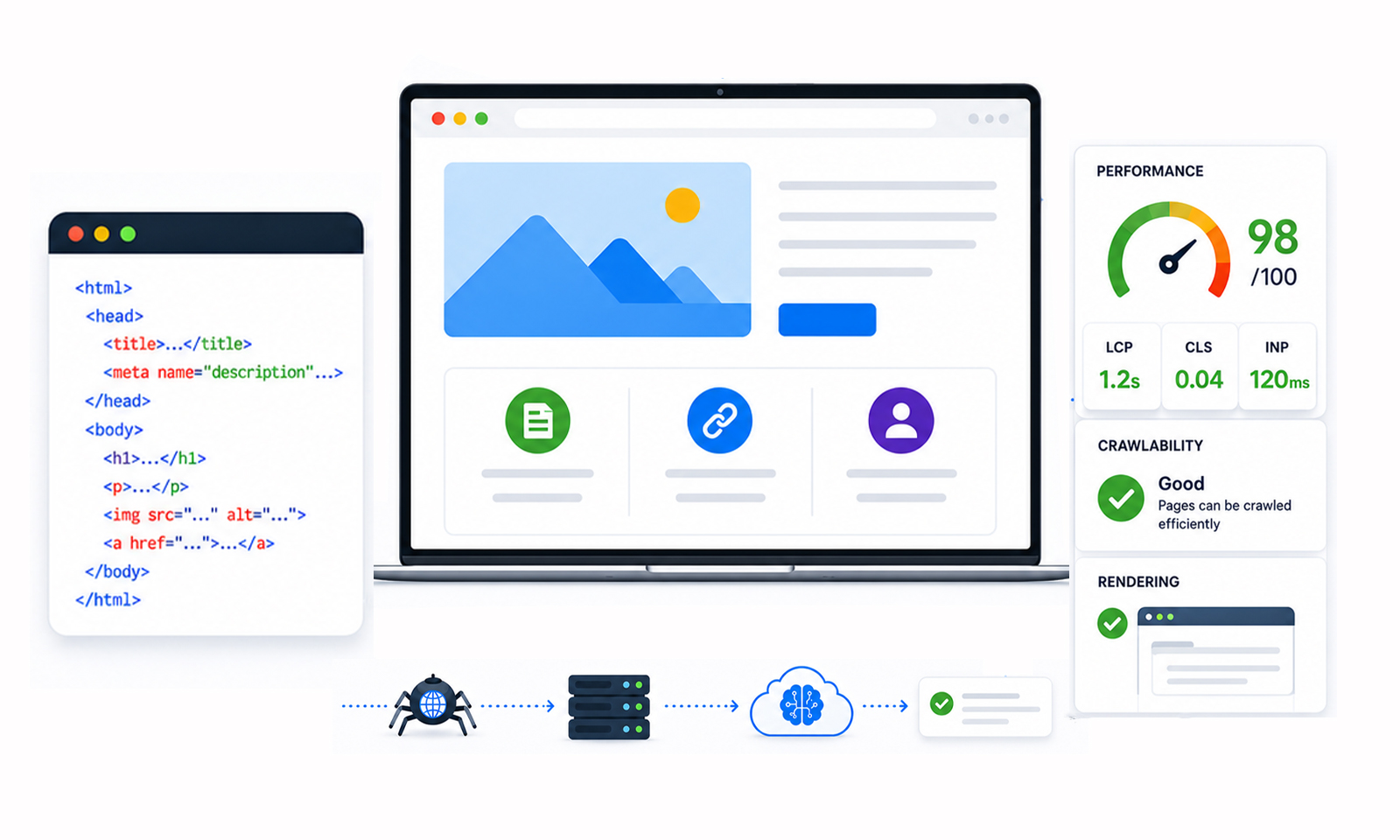
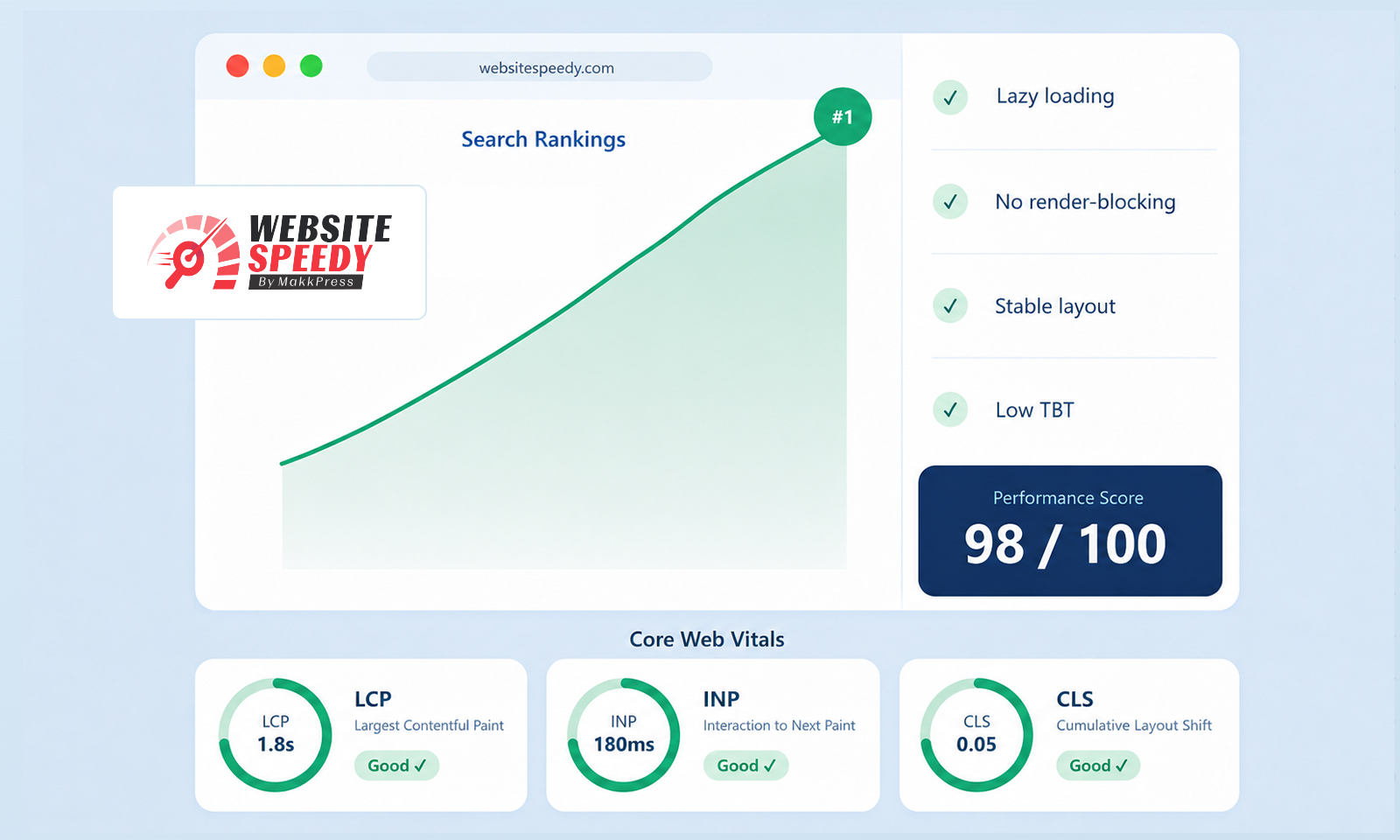
- Largest Contentful Paint (LCP): how fast main content loads, target under 2.5 seconds
- Interaction to Next Paint (INP): how quickly your page responds to user actions, target under 200ms (this replaced First Input Delay in March 2024)
- Cumulative Layout Shift (CLS): how stable the layout is while loading, target under 0.1.
But the business case for speed goes well beyond rankings. Research reveals that 53% of mobile users abandon a site that takes more than 3 seconds to load. For any business doing meaningful volume, slow pages are an active drain on revenue.
Do Website Speed Optimization Tools Actually Work?
The short, honest answer: it depends on the tool, and more specifically, what it actually optimizes.
Many tools produce impressive-looking PageSpeed Insights scores in controlled lab conditions but have minimal impact on real-user experience. Here’s the nuance most people miss: Google does not use Lighthouse scores for ranking purposes. According to Vercel’s analysis of Core Web Vitals and SEO, only real-user Core Web Vitals field data, collected from Chrome browsers over a 28-day window, affects your rankings. A tool that inflates a lab score without improving actual load behavior for real visitors won’t help your SEO at all.
What does work is when speed tools improve website speed by addressing the root causes of slow loading: eliminating render-blocking JavaScript and CSS, implementing lazy loading for images, optimizing the critical rendering path so visible content loads first, reducing Total Blocking Time (TBT), and stabilizing layout shifts by pre-reserving space for images and ads. When a tool systematically handles these, it improves both scores and crucially, the underlying user experience those scores are designed to measure.
What Good Automated Speed Optimization Tools Actually Do
Not all automated website speed optimization tools are built the same, but the ones that produce real results tend to work on the same set of underlying problems. Tools like WP Rocket (for WordPress) and Website Speedy, which work across platforms including Shopify, Wix, BigCommerce, and Webflow, handle these optimizations automatically rather than requiring manual code changes. That matters especially for site owners who don’t have direct server access or a developer on hand.
Shopify, Wix, BigCommerce, and Webflow, handle these optimizations automatically rather than requiring manual code changes. That matters especially for site owners who don’t have direct server access or a developer on hand.
The optimizations that move the needle are fairly consistent across good tools: deferring or asynchronously loading render-blocking resources, implementing lazy loading for off-screen content, reducing Total Blocking Time, and pre-reserving space for dynamic elements to prevent layout shifts.
Can Speed Optimization Tools Really Improve SEO?
This is where most tool vendors oversimplify, so it’s worth being direct. Yes, speed optimization tools can improve SEO, but not in isolation.
While Core Web Vitals are a confirmed ranking factor, they are only one part of the ranking equation. Google has consistently emphasized that content relevance and quality remain far more important than speed alone. However, when multiple pages are already competing at a similar level in terms of relevance and authority, performance can become an important differentiator. A faster website won’t rescue thin or irrelevant content, but it can strengthen the competitiveness of content that is already performing well.
The practical implication is that speed optimization tools improve website speed and SEO most meaningfully when your content is already competitive. If your pages already provide useful information and satisfy search intent, improving performance can help create a better overall experience for users. In tight niches where several pages are all reasonably relevant and authoritative, Core Web Vitals become the differentiator. To get Google’s ranking benefit, users need to have a “Good” experience across all three metrics, moving from “Poor” to “Good” is where it matters. Chasing perfection beyond the “Good” threshold yields diminishing returns.
There’s also an indirect SEO benefit that compounds over time: lower bounce rates. Faster pages often lead to better engagement and lower abandonment, which can improve overall business performance and user satisfaction.
The Limitations of Automated Tools: What to Expect Realistically
Knowing whether speed optimization tools are worth it means understanding where they fall short, not just where they shine.
Infrastructure Issues Are Out of Scope
If your server response time (Time to First Byte) is slow, a client-side optimization script can only go so far. TTFB problems need to be fixed at the hosting or CDN level, no tool injecting code into your front end can solve a slow server.
Third-party Scripts Remain a Challenge
Live chat widgets, ad pixels, and marketing tags are often the biggest contributors to poor INP and TBT scores. Automated tools can defer them, but can’t remove them without risking broken functionality.
Rankings Take Time to Reflect Improvements
Google’s evaluation process takes time. Improvements you make today won’t fully appear in rankings for up to four weeks. Patience is part of the process.
Mobile Scores Matter Most, and Most Sites Aren’t Passing
As of mid-2025, only around 44% of WordPress sites on mobile pass all three Core Web Vitals tests. Since Google uses mobile-first indexing, your mobile scores are what count for rankings. That means the majority of sites still have meaningful room to improve, and mobile is where automated optimization often delivers its biggest gains.
Are Speed Optimization Tools Worth It?
For most website owners, particularly those on managed platforms where direct server access is limited, automated website speed optimization represents the most practical path to real performance gains.
The alternative is manual optimization: a developer proficient in performance profiling, render-critical CSS inlining, JavaScript execution analysis, and CWV field data interpretation. That’s doable, but expensive and time-consuming. For small businesses and mid-size e-commerce operations, the cost-benefit math favors a well-built automated tool that handles the fundamentals reliably.
The right question to ask when evaluating any speed tool isn’t “will my PageSpeed score go up?”, it’s “will my real users experience the page faster, and will that show up in field data?” Those are the metrics that translate into better rankings, lower bounce rates, and higher conversions.
Conclusion
The real question isn’t “do speed optimization tools work?”, it’s “does this tool improve the metrics that actually matter?” Tools that move real-user Core Web Vitals from Poor to Good, reduce render-blocking delays, and improve how actual visitors experience your pages deliver genuine improvements to both website speed and SEO. Faster pages keep users engaged, reduce abandonment, improve conversions, and earn better placement in competitive search results.
Whether you go automated or manual, the goal is the same – a faster, more reliable experience for real people. That’s what Google measures, and that’s what drives rankings, traffic, and revenue.
Frequently Asked Questions
Q1: Can speed optimization tools really improve website speed and SEO?
Q2: Do faster websites rank better on Google?
Q3: Can speed optimization tools improve Core Web Vitals?
Q4: Are website speed optimization tools worth it?
Q5: Can automated speed optimization replace manual optimization?
Q6: How long does it take to see SEO improvements after optimizing site speed?
About the Author